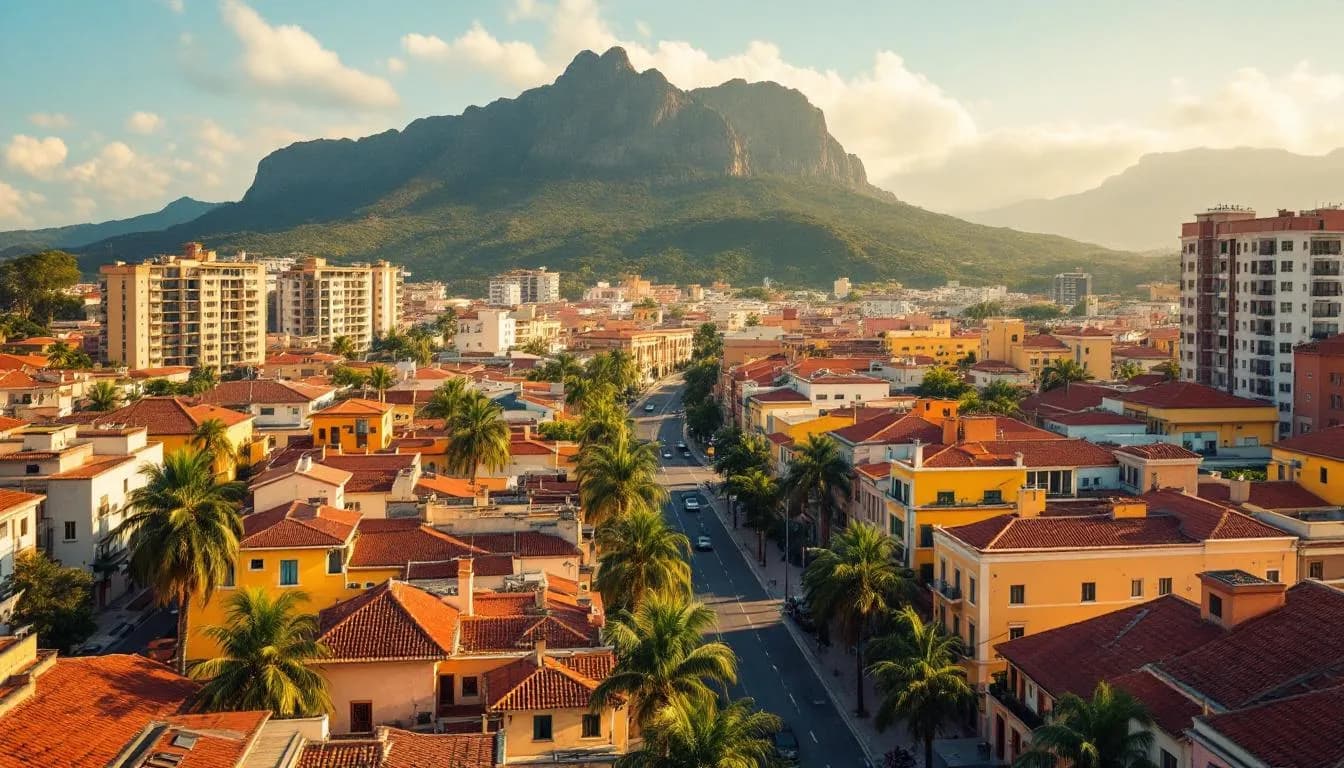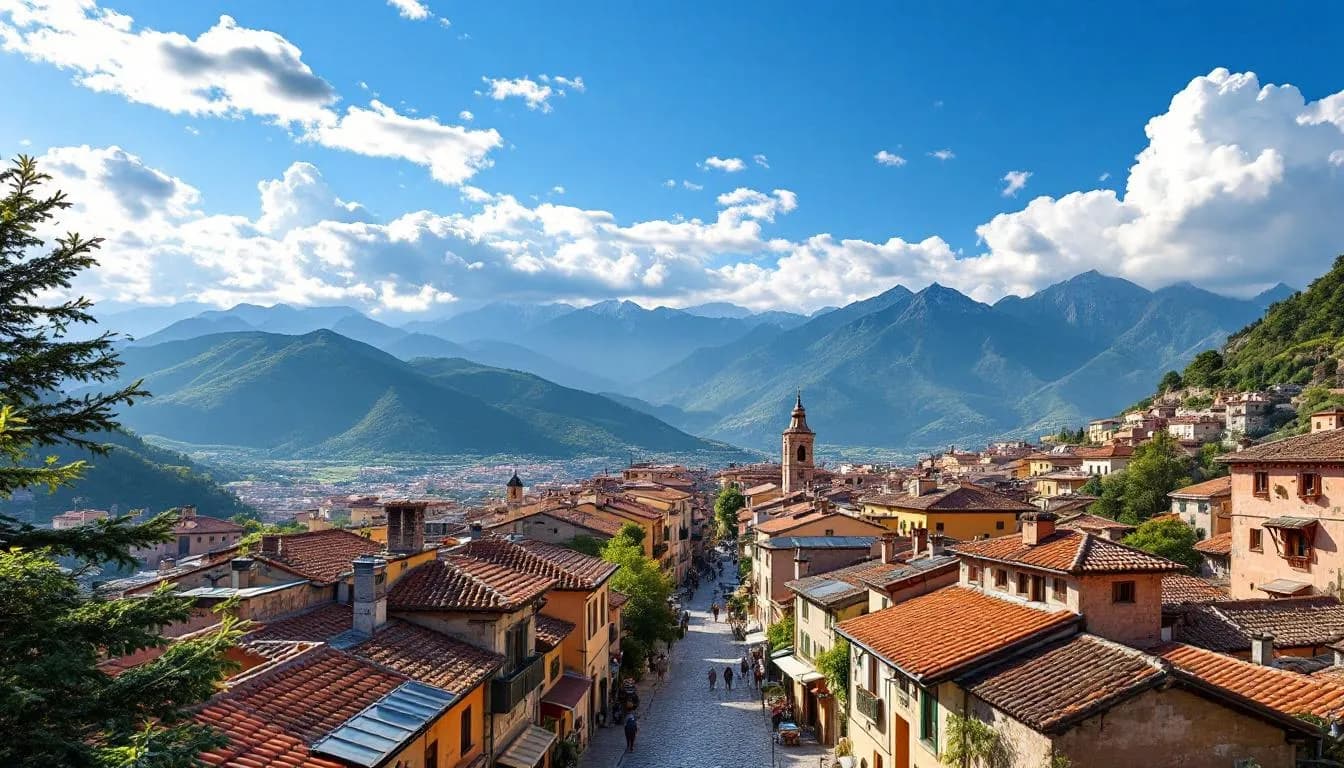
Colombia and Ecuador are neighbors on South America's Pacific coast, and on the surface they look like a matched pair - Andean highlands, spring-like weather, and costs that stretch a U.S. retirement budget a lot further than staying home would.
Look closer and real differences show up fast: safety ratings, healthcare quality, and visa income thresholds all point in different directions. If you're seriously weighing one against the other, here's what actually matters.
Cost of Living: Ecuador Is Cheaper Across the Board
Ecuador wins on price, and it's not close. A city-center one-bedroom runs about $381/month compared to $485 in Colombia. Groceries run roughly $140 versus $185. Utilities come in around $44 versus $101. Monthly basics in Ecuador total around $770 - about $1,020 in Colombia.
Ecuador also uses the U.S. dollar, so there are no exchange rate surprises. That $250/month gap works out to $3,000 a year - real money on a fixed income.
Ecuador doesn't tax foreign retirement income. Colombia may tax a portion of it depending on your residency status and income level. Confirm both with a tax advisor before you commit to either country.
Safety: The Biggest Gap Between These Two
Ecuador holds a U.S. State Department Level 2 advisory - exercise increased caution - and the political situation is generally stable. Colombia sits at Level 3 (reconsider travel), with ongoing concerns about security in certain regions.
That doesn't rule Colombia out. Thousands of Americans live comfortably in Medellín and Cartagena. But you'll need to be deliberate about which neighborhood you're in and how you move around. Ecuador is more uniformly manageable for expats.
- Ecuador: Level 2, stable political environment
- Colombia: Level 3, security concerns vary significantly by region
- Both countries: expat-heavy neighborhoods tend to be safer, but neither is crime-free
Healthcare: Colombia Has the Stronger Infrastructure
Colombia's healthcare system is rated excellent by international standards. Major cities have modern private hospitals, English-speaking doctors, and solid specialist care. Ecuador's system is adequate - English-speaking doctors exist in major cities - but the overall infrastructure doesn't match Colombia's.
Private health insurance runs about $100/month in both countries. Most expats in either place use private insurance and private clinics regardless of what the public system offers. If you have ongoing health conditions or expect to need specialized care, Colombia is the stronger choice. For routine care, either works fine.
Visas and Residency: Ecuador's Bar Is Much Lower
Ecuador's retirement visa requires just $400/month in provable income - one of the lowest thresholds anywhere. The visa costs $1,500 upfront, lasts two years, and leads to permanent residency after that. Citizenship is available after five years, and Ecuador allows dual citizenship.
Colombia's retirement visa requires $1,100/month in income. It costs $250, lasts one to three years, and is renewable. Permanent residency and dual citizenship are both available after five years.
If most of your income is Social Security, Ecuador's $400/month threshold is far easier to hit than Colombia's $1,100 requirement. For retirees on tighter incomes, that difference alone often settles the question.
Which One Makes More Sense for You?
Ecuador is the simpler, more affordable option - lower costs, a much easier visa threshold, a stable political situation, and no currency risk. It's a strong fit if your budget is tight or you'd rather not deal with Colombia's more complicated safety picture.
Colombia is the better call if healthcare quality is a top priority, you want more cosmopolitan city options, and you're willing to do the homework on safe neighborhoods. You'll spend more, but you get better medical infrastructure and a larger expat community in places like Medellín.
- Choose Ecuador: tighter budget, lower visa income requirement, more straightforward day-to-day life
- Choose Colombia: better healthcare infrastructure, more urban amenities, larger expat communities
- Both countries: allow foreign property ownership, offer paths to citizenship, and have year-round mild weather in the highlands
Ready for the next step?
Check out our country-specific guides to see exactly how to apply these steps in your dream destination.
Browse Country Guides