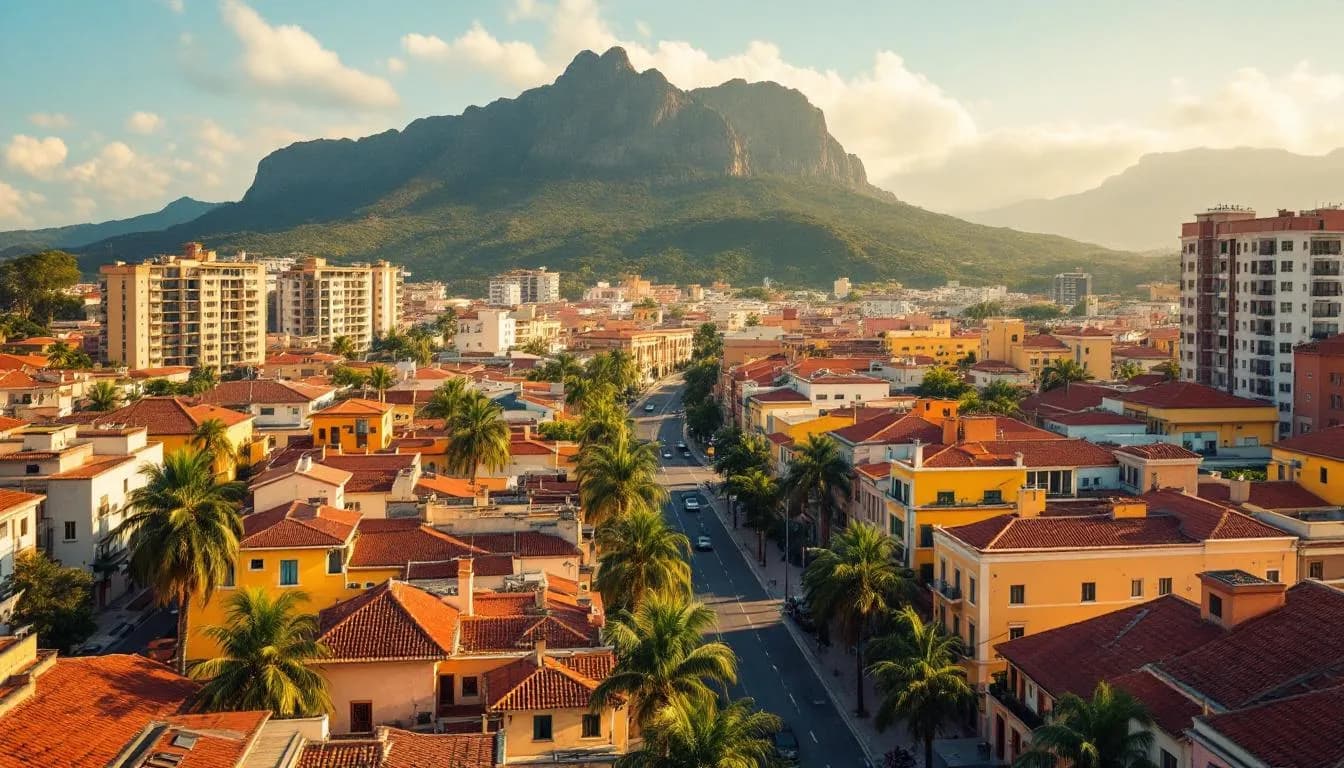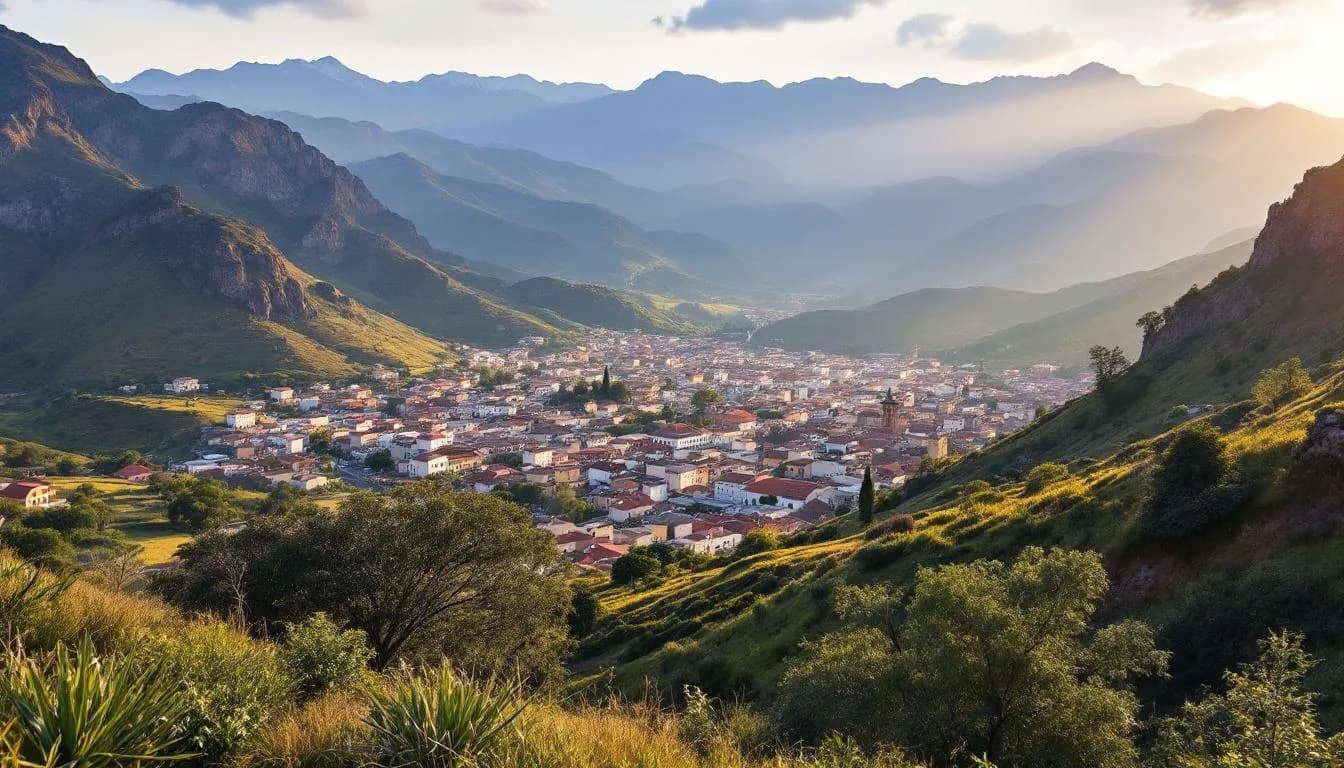
Ecuador and Panama come up constantly when Americans research retirement in Latin America. Both use the U.S. dollar, both have retirement visa programs, and both have established expat communities. That's roughly where the similarities end.
Ecuador is significantly cheaper and easier to qualify for. Panama costs more but offers better infrastructure and a faster path to permanent residency. Which one fits depends almost entirely on your monthly income and how much you value convenience.
Monthly Costs: Ecuador Is Much Cheaper
Ecuador is one of the most affordable retirement destinations in the region. Panama is pricier than most people expect - closer to Mexico City than to Cuenca.
- Rent (1BR city center): $381 in Ecuador vs $988 in Panama
- Groceries: $140 in Ecuador vs $225 in Panama
- Dining out: $55 in Ecuador vs $150 in Panama
- Healthcare insurance: ~$100/month in both countries
- Utilities: $44 in Ecuador vs $114 in Panama
- Internet: $29 in Ecuador vs $47 in Panama
Basic monthly expenses run roughly $770 in Ecuador versus $1,645 in Panama. That gap matters. It's the difference between a comfortable retirement on Social Security alone and needing additional income to cover the basics.
Both countries use the U.S. dollar. No currency conversion, no exchange rate risk, no fumbling with unfamiliar bills. Your budget works the same way it does at home.
Visa Requirements: Ecuador Sets a Lower Bar
Ecuador's Jubilado (Retirement) Visa requires just $400 per month in pension income - one of the lowest thresholds in Latin America. Processing costs around $1,500. You get two-year residency leading to permanent status, with citizenship available after five years.
Panama's Pensionado Visa requires $1,000 per month in pension income and costs around $2,500 to process. The trade-off: Panama gets you to permanent residency in just two years, faster than most countries in the region.
If your monthly pension is under $1,000, Ecuador may be your only realistic option between the two. Clear that threshold and both are accessible - but Panama moves you toward permanent status faster.
Healthcare: Good in Both, but Different Trade-Offs
Both countries are rated 'Good' for healthcare quality, and English-speaking doctors are available in major cities in both. Ecuador gives legal residents access to the public healthcare system. Panama's public system is more limited for expats, so most rely on private insurance.
Private insurance runs about $100 per month in both countries. Panama City has more specialized facilities and functions as a regional hub for medical tourism - if you need complex care, it has the edge. Ecuador's lower overall costs mean routine care stretches your dollar further.
Climate, Safety, and Infrastructure
Ecuador's geography gives you real options. The coast runs hot and humid year-round. The highlands - where cities like Cuenca draw most expats - stay mild, with highs around 67–74°F. If you want to skip the heat, Ecuador's highlands are hard to beat. Panama runs warmer all year, with highs in the low-to-mid 80s in the cooler season and upper 80s in summer.
Both countries carry a U.S. State Department Level 2 travel advisory - the same rating as France and Spain. Crime exists in urban areas in both, but most expats report feeling safe with standard precautions. Both are considered generally stable politically.
On infrastructure, Panama wins clearly. Internet is rated 'Good' versus Ecuador's 'Moderate.' Roads are better, and Panama City has more developed public transit. Ecuador is more rustic outside its main cities - some retirees love that, others find it limiting.
English proficiency is rated 'Very Low' in Ecuador - you'll want conversational Spanish to manage daily life comfortably. Panama rates 'Low' overall, but Panama City has more bilingual services due to its long ties with the U.S.
Which One Is Right for You?
Ecuador is a strong fit if you're working with a tighter budget, want a mild climate, and can qualify with under $1,000 a month in pension income. It's one of the most affordable retirement options in the region, full stop.
Panama makes more sense if you want reliable internet, better roads, faster permanent residency, and don't mind paying a premium for those things. Panama City feels more connected - to the U.S. and to the rest of the world.
Both countries let foreigners own property outright. Neither taxes your U.S. retirement or pension income. The real decision comes down to how much you have coming in each month and how much day-to-day convenience matters to you.
Ready for the next step?
Check out our country-specific guides to see exactly how to apply these steps in your dream destination.
Browse Country Guides