 Retirement Guide
Retire in Chile
Overview
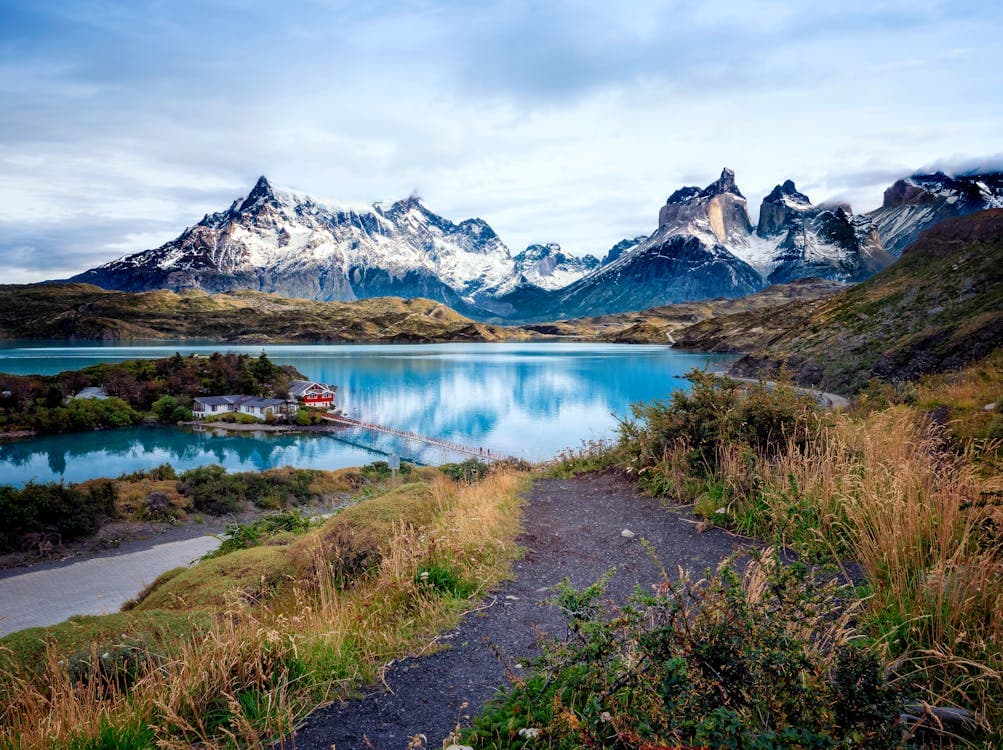
Chile stands out in South America as the region's most stable, modern country — with infrastructure, healthcare, and public institutions that feel noticeably more developed than most of its neighbors. Santiago rivals European capitals in terms of restaurants, cultural life, and urban amenities, while the country's geography offers everything from Atacama desert to Patagonian wilderness within the same long, narrow nation.
Practical Note
Chile has no tax treaty with the US, which means US-source retirement income may be subject to partial local taxation — worth a conversation with a cross-border tax professional before you commit.
Last Updated: 2026-03-23
Monthly Cost Breakdown
Chile's costs are higher than most South American retirement destinations, but the tradeoff is a level of infrastructure, stability, and urban quality that's genuinely hard to find elsewhere in the region.
Tight But Workable
Possible in smaller cities and neighborhoods outside the city center — covers rent, groceries, and basics with careful budgeting, though dining out and travel will need to be treated as occasional pleasures rather than regular habits.
Comfortable Living
A good apartment in a desirable Santiago neighborhood, regular meals out, reliable private healthcare, and enough left to enjoy the city's cultural life — museums, wine country day trips, and the kind of weekly routine that feels genuinely relaxed.
Premium Lifestyle
A spacious apartment in an upscale neighborhood, premium private healthcare, frequent domestic travel across Chile's extraordinary geography, and a lifestyle that takes full advantage of what this country has to offer.
Estimated baseline monthly cost: $1,375/mo
Best For
Retirees who want South America's most developed infrastructure and don't want to compromise on healthcare quality, urban amenities, or political stability to get an affordable cost of living. People who enjoy an active outdoor life — Chile's geography is extraordinary, and hiking, wine country, and coastal towns are all within reach of Santiago. The fast path to permanent residency after just one year makes it one of the more practical long-term options in the region.
Think Twice If…
Think twice if you're working with a tight fixed income and expecting South American prices across the board — Chile is noticeably more expensive than Colombia, Ecuador, or Peru, and a modest budget will feel genuinely constrained in Santiago. The low English proficiency combined with fast, idiomatic Chilean Spanish creates a steeper language barrier than many other Spanish-speaking countries, so retirees who aren't planning to invest in Spanish will find daily life more isolating. If you're drawn to warm, humid tropical weather, Chile's dry Mediterranean climate and cool winters won't deliver what you're looking for.
Get Your Chile Retirement Planning Guide
A complete planning resource with cost breakdowns, visa requirements, healthcare details, plus 90-day prep checklist and 60-day arrival plan.
You'll also receive our monthly newsletter with updates and insights. Unsubscribe anytime.
Relevant Articles
Best Retirement Destinations for First-Time Expats
A practical look at which countries make the most sense for Americans retiring abroad for the first time - covering English access, visas, expat communities, healthcare, and safety.
Read More →
What $2,000/Month Buys You in Latin America's Top 5
Five Latin American countries where $2,000/month buys a comfortable retirement, with real cost breakdowns and what to watch out for.
Read More →

What Consular Services Actually Help With
A realistic guide to what U.S. consular services can and can't help with when you're living or retiring abroad.
Read More →