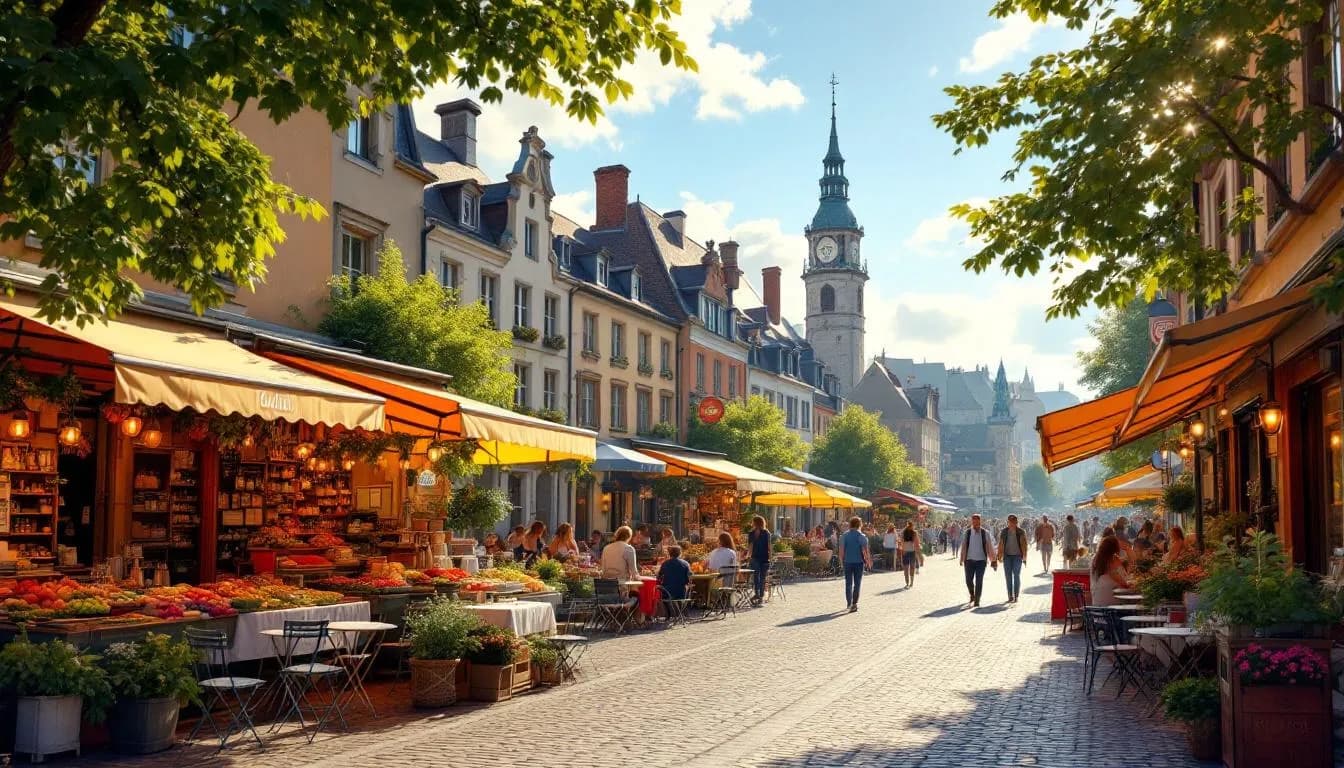
Most retirement content is about the move itself — visas, packing, finding an apartment. But plenty of people move abroad and come back within two years. The ones who stay? They'll tell you it had nothing to do with the things they researched before they left.
The gap between visiting and living shows up after the novelty fades. Here's what actually keeps people put.
You Build Your Own Rhythms
The first few months are chaotic — figuring out where to buy groceries, how the buses work, which pharmacy stocks your prescriptions. Then something shifts. You find your coffee shop, your walking route, the market vendor who saves you the good tomatoes.
Long-term retirees don't talk about sightseeing anymore. They talk about their Tuesday language exchange, the neighbor who brings over extra mangoes, the pharmacist who knows their name. Small, predictable routines build a sense of belonging that tourism never does.
The moment you stop being a tourist is when someone in your neighborhood greets you by name without prompting. That's when staying starts to feel easier than leaving.
Healthcare Stops Being a Spreadsheet
Before you move, healthcare is abstract — premiums, hospital ratings, doctor availability. After a year or two, it's the cardiologist who explains things clearly in English, the clinic that emails results same-day, the pharmacy that delivers for free.
People stay where they trust their medical care. In Thailand, that might mean a private Bangkok hospital where a specialist visit runs around $150. In Portugal, it's public healthcare that actually works, with English-speaking GPs in major cities. In Mexico, it's the dentist who handles in one appointment what would take three back home — at a fraction of the cost.
- You've seen your primary care doctor multiple times and feel comfortable calling with questions
- You know which hospitals accept your insurance without having to call first
- You have a system for prescription refills that doesn't involve phone trees or prior authorizations
- You've had at least one health issue handled competently and affordably
Your Money Keeps Working
Cost of living matters, but what really matters is whether your budget holds up five years in. Retirees who stay long-term aren't just saving money — they're living comfortably on what they have. Rent in Lisbon runs around $963 for a one-bedroom in the city center, but you locked in a better rate two years ago because you're not moving every season. Utilities in Panama average around $114 a month, and you've learned when to run the AC and when to open the windows.
You also stop making expensive beginner mistakes. No more delivery orders from tourist restaurants or taxis everywhere. Monthly groceries in Thailand run around $200, Slovenia around $350 — and that's shopping where locals shop. Living like a resident instead of a guest is often the difference between a sustainable retirement and a stressful one.
You Stop Keeping Score Against Home
The retirees who last are the ones who quit comparing. They're not spending dinner parties cataloging what's better or worse than the U.S. They've accepted that some things work differently — mail takes longer, customer service means something else, bureaucracy requires patience — and those differences don't ruin their day anymore.
That's not the same as pretending everything's perfect. Internet in parts of Mexico can be frustratingly slow. Getting residency paperwork sorted in Portugal takes persistence. But the retirees who stay have decided the tradeoffs are worth it — the lifestyle, the healthcare, the cost of living, and the daily quality of life outweigh what they left behind.
The retirees who struggle long-term are often the ones waiting to feel completely at home before they commit. That feeling tends to come after the commitment, not before.
Ready for the next step?
Check out our country-specific guides to see exactly how to apply these steps in your dream destination.
Browse Country Guides