Accessibility isn't just a wheelchair issue. It's about planning for the body you'll have at 70, not the one you have right now. And it's genuinely hard to evaluate from 5,000 miles away.
The good news: you can get most of what you need without ever seeing the place in person - if you know exactly what to ask.
What Actually Matters for Daily Life
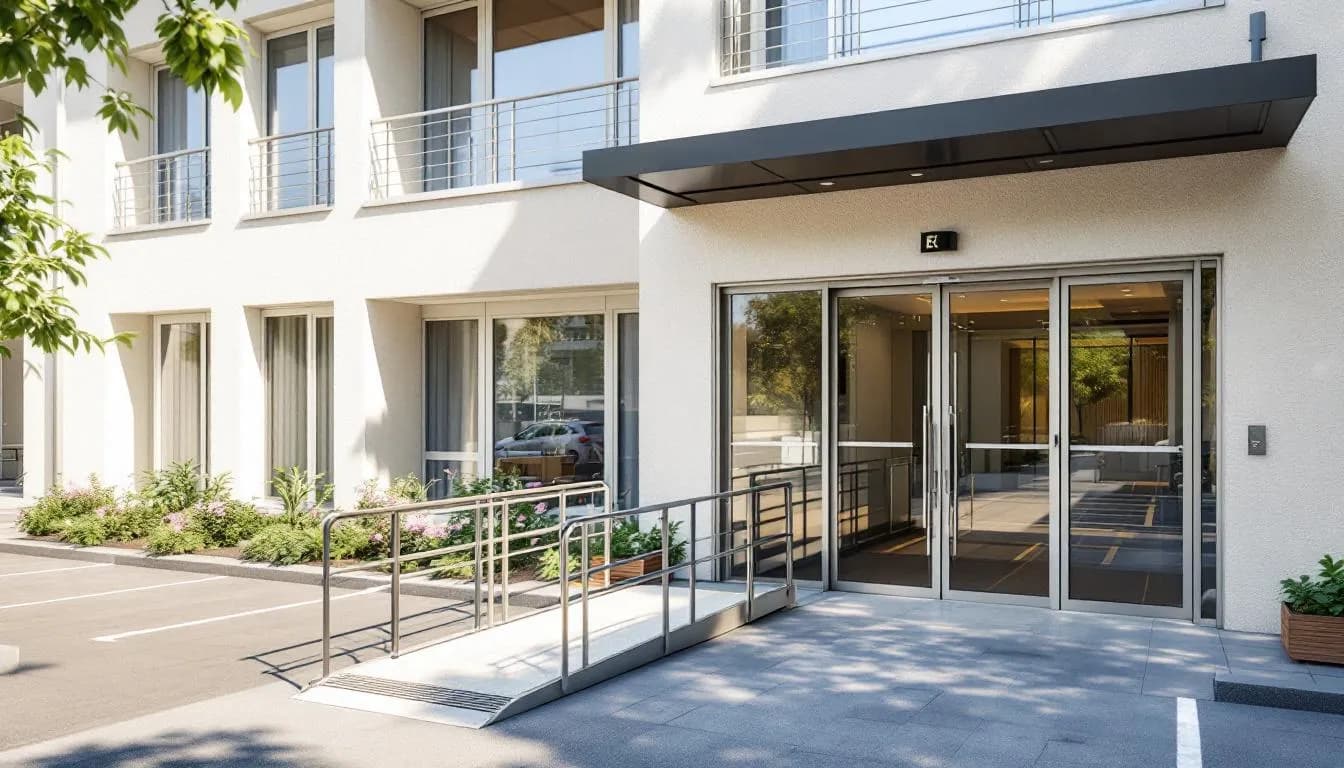
The biggest accessibility problem usually isn't inside the apartment - it's getting to it. A third-floor walkup might feel fine today. Try it after a minor surgery, or just after a long flight home with luggage.
Ground-floor units solve the stair problem, but they're not always the best deal. In some cities they're noisier or feel less secure. In others they actually cost more. Worth thinking through before you default to them.
- Elevator or ground-floor access - stairs get harder with age and injury
- Walk-in or low-threshold shower, not a high-sided tub
- Door widths that could fit a walker or wheelchair if needed later
- Close to medical facilities, a pharmacy, and a grocery store
Questions the Photos Never Answer
Landlords don't volunteer accessibility details. You have to ask directly: How many steps from street level to the front door? Is there a shower or a tub - and what's the entry height? Are doorways wide enough for a walker?
If you can't visit in person, ask for a video walkthrough of the route from the building entrance to the apartment door. That one video tells you more than a dozen staged photos. Look for grab bars in bathrooms, non-slip flooring in wet areas, and whether the bedroom and bathroom are on the same level.
Ask whether modifications are allowed before you sign. Some landlords won't permit grab bars or a tub-to-shower conversion, even if you pay for it yourself.
Outside Your Front Door Matters Too
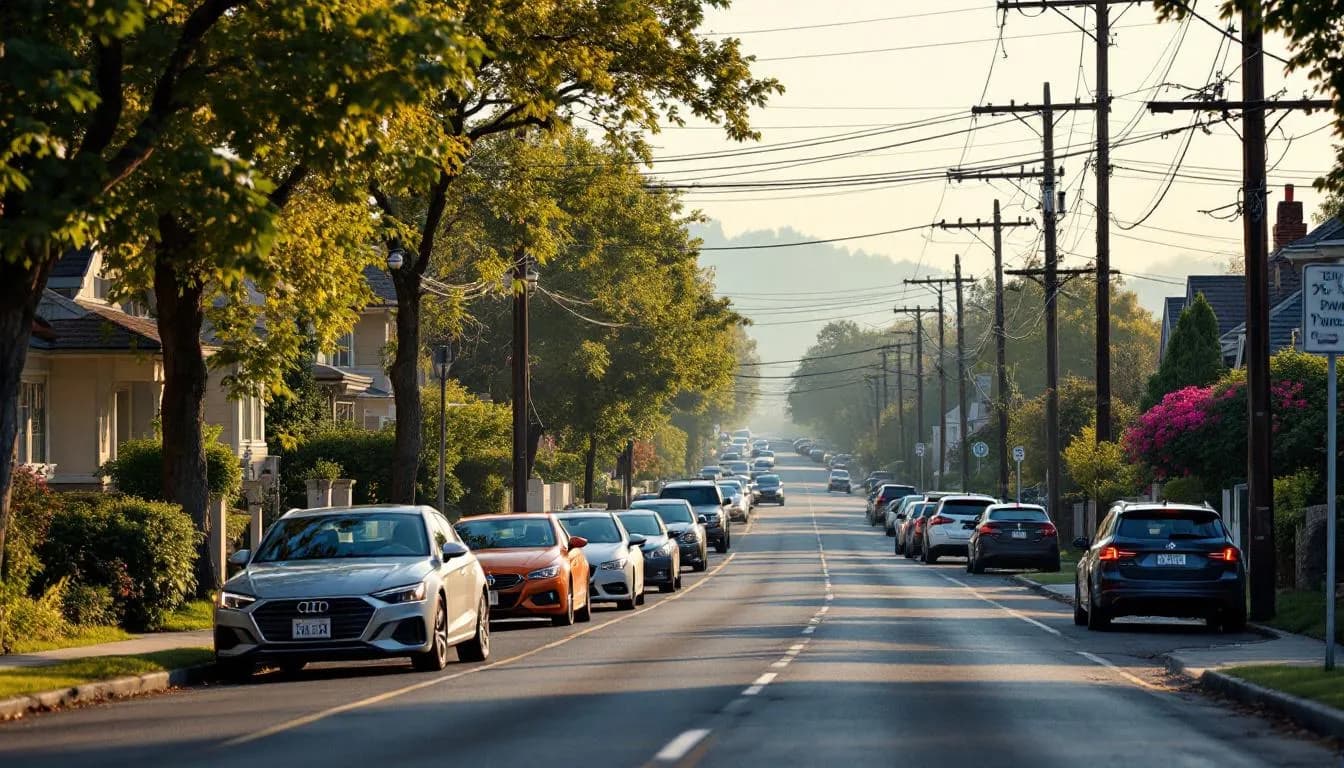
A perfectly accessible apartment doesn't help much if daily errands are a physical obstacle course. Uneven sidewalks, missing curb cuts, and streets with no sidewalks at all are common in popular expat destinations. Lisbon looks charming in photos - those hills are real work done daily.
Transit accessibility varies just as much. Some cities have modern, step-free metro systems. Others have buses you climb into and stations with no lifts. If you're planning to go car-free, this matters as much as what's inside the unit.
- Sidewalk quality between your building and daily essentials
- Distance to the nearest accessible transit stop or taxi stand
- Grocery and pharmacy delivery options - useful now, essential later
- Whether the building can handle packages if you can't get to the door quickly
Local Standards Vary - A Lot
The ADA doesn't follow you abroad. Accessibility codes exist in many countries, but enforcement is inconsistent - especially in older buildings. That doesn't mean you can't find something suitable, it just means you have to look harder and be specific about what you need.
EU countries like Portugal and Slovenia have pushed newer construction toward better accessibility standards. Outside Europe, private housing developments are usually your best bet - public infrastructure is often behind. Know what's typical in your target city so your expectations are grounded.
Plan for the Near Term, Not the Worst Case
There's a real tension between over-planning for conditions you don't have yet and ending up somewhere that doesn't work when things do change. Moving internationally is expensive - you don't want to do it twice in five years.
If you're healthy at 60, a middle path makes sense. Prioritize features that help everyone - elevator access, walk-in shower - without optimizing for scenarios that may never apply to you. You can always move locally later if your needs shift.
Think in 5-year increments. Pick a starting point that won't force an immediate relocation, but don't let hypothetical future needs rule out otherwise good options today.
Ready for the next step?
Check out our country-specific guides to see exactly how to apply these steps in your dream destination.
Browse Country Guides