The big research checklist gets covered: housing costs, healthcare, visa requirements, expat communities. What doesn't make the list is the stuff you notice every single day-sidewalk conditions, trash pickup schedules, whether Uber actually works in your area.
These details don't show up in relocation guides. But they add up fast, especially if you're planning to live car-free or have any mobility considerations. Here's what to actually look for before you sign a lease.
Infrastructure You'll Notice Every Day
Sidewalks matter more than you'd expect. Plenty of older European and Latin American neighborhoods have no sidewalks at all-you share the road with cars and motorcycles. If you have any mobility issues, that's not a minor inconvenience.
- Street lighting: Walk the neighborhood after dark. Some areas go completely dark.
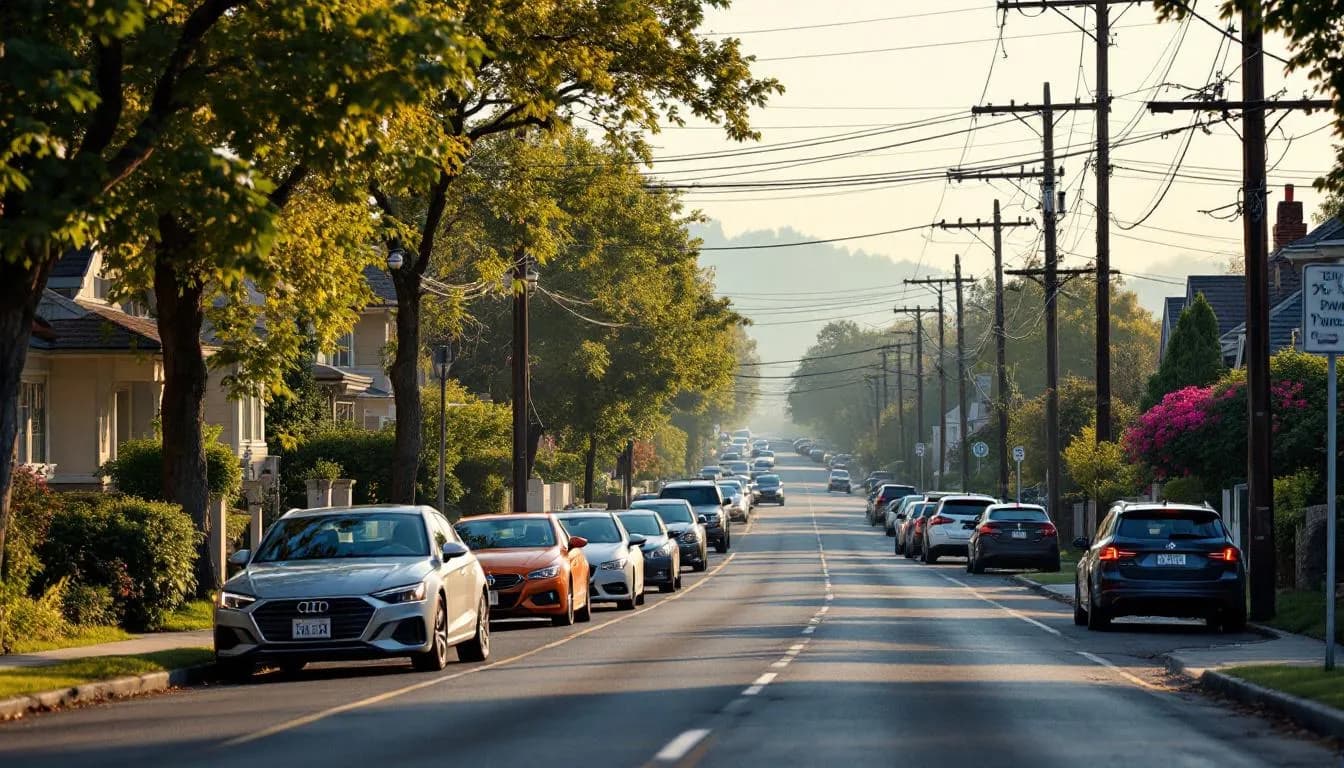
- Sidewalk conditions: Are they wide and maintained, or cracked and blocked by utility poles and parked cars?
- Drainage: Ask locals if streets flood after rain. Some do, reliably.
- Noise: Is it a motorcycle shortcut? Near a church with hourly bells? Next to a school?
Visit at different times-day and evening, weekday and weekend. A quiet Tuesday morning can turn into a street market on Saturday or a nightlife strip after dark.
Services Google Maps Won't Show You
Google Maps finds pharmacies and restaurants. It won't tell you where to get a key copied, buy a lightbulb, or print documents for a visa renewal. These mundane errands get frustrating fast when the hardware store is across town and closes at 2 PM on Saturdays.
- Hardware and repair shops: What happens when something breaks?
- Print and copy services: Visa renewals and official documents almost always require physical copies.
- Laundry options: If there's no in-unit washer, where's the nearest laundromat?
- Delivery coverage: Some grocery and courier apps skip certain neighborhoods or charge higher minimums.
That last one isn't hypothetical. It's the difference between ordering groceries from your couch and taking two buses to the supermarket.
Trash, Water, and Utilities
Waste collection varies a lot, even within the same city. Some areas have door-to-door pickup. Others require you to carry bags to a central collection point a few blocks away. Miss your designated day and you're holding onto it until next week.
- Collection schedule: Daily, twice weekly, or irregular? What time does the truck come?
- Separation rules: Some neighborhoods require specific bins or bag colors for recycling, compost, and general waste.
- Water pressure: Does it drop during peak hours? Are shutoffs routine for maintenance?
Ask your landlord or a neighbor about utility interruptions before you move in. Planned water and power shutoffs are routine in some countries-and announced on community boards you won't know to check until you're already living there.
Transportation Beyond the Bus Stop
You've confirmed there's a bus stop nearby. But does the route run on weekends? Does it actually stop there, or only at official terminals? Small details like these change the math on car-free living pretty quickly.
- Rideshare availability: Do Uber or local equivalents operate in your area, or do you need to call ahead for a cab?
- Parking: If you're keeping a car, is street parking available? Do you need a resident permit?
- Road conditions: Cobblestones are fine until you're dragging groceries over them daily. Steep hills add up too.
- Pedestrian safety: Do drivers respect crosswalks? Do motorcycles treat sidewalks as shortcuts?
Test the routes you'll actually use before you commit. If you're planning to grocery shop by bus, do a trial run with bags. If you're walking to the market, time it and pay attention to the terrain.
Know Your Own Tradeoffs
No neighborhood checks every box. You'll trade walkability for affordability, or quiet for convenience. The retirees who end up happiest abroad aren't necessarily in the "best" neighborhood-they're the ones who knew what they were signing up for.
Mobility issues? Infrastructure matters more than charm. Noise-sensitive? Quiet beats proximity. Need regular access to medical specialists or international shipping? Location outweighs a lower rent. Get clear on your non-negotiables before you start touring apartments.
Ready for the next step?
Check out our country-specific guides to see exactly how to apply these steps in your dream destination.
Browse Country Guides