A country's overall safety rating can be misleading. A capital city might have rough blocks and perfectly comfortable ones within a fifteen-minute walk of each other. Travel advisories are a starting point, not an answer.
You're not passing through as a tourist — you'll be walking to the grocery store, coming home after dark, and running your daily routine in one specific spot. That changes what you need to know.
Start with Research Before You Arrive
Check the U.S. State Department travel advisories for your target country. They use a 1-to-4 scale. Slovenia and Portugal sit at Level 1 (exercise normal precautions). Mexico and Spain are Level 2 (exercise increased caution). Colombia is Level 3, meaning certain regions require serious thought.
Then go deeper. Join expat Facebook groups or forums and ask about specific neighborhoods — not just the city. People already living there will tell you which streets they avoid and which ones they'd recommend. Look for recent posts, since situations shift.
Ask expats about specific streets or developments, not just the city name. Local knowledge beats any general ranking or guidebook.
Visit at Different Times of Day
When you visit in person, walk the neighborhood more than once. Day, dusk, and after dark each show you something different.
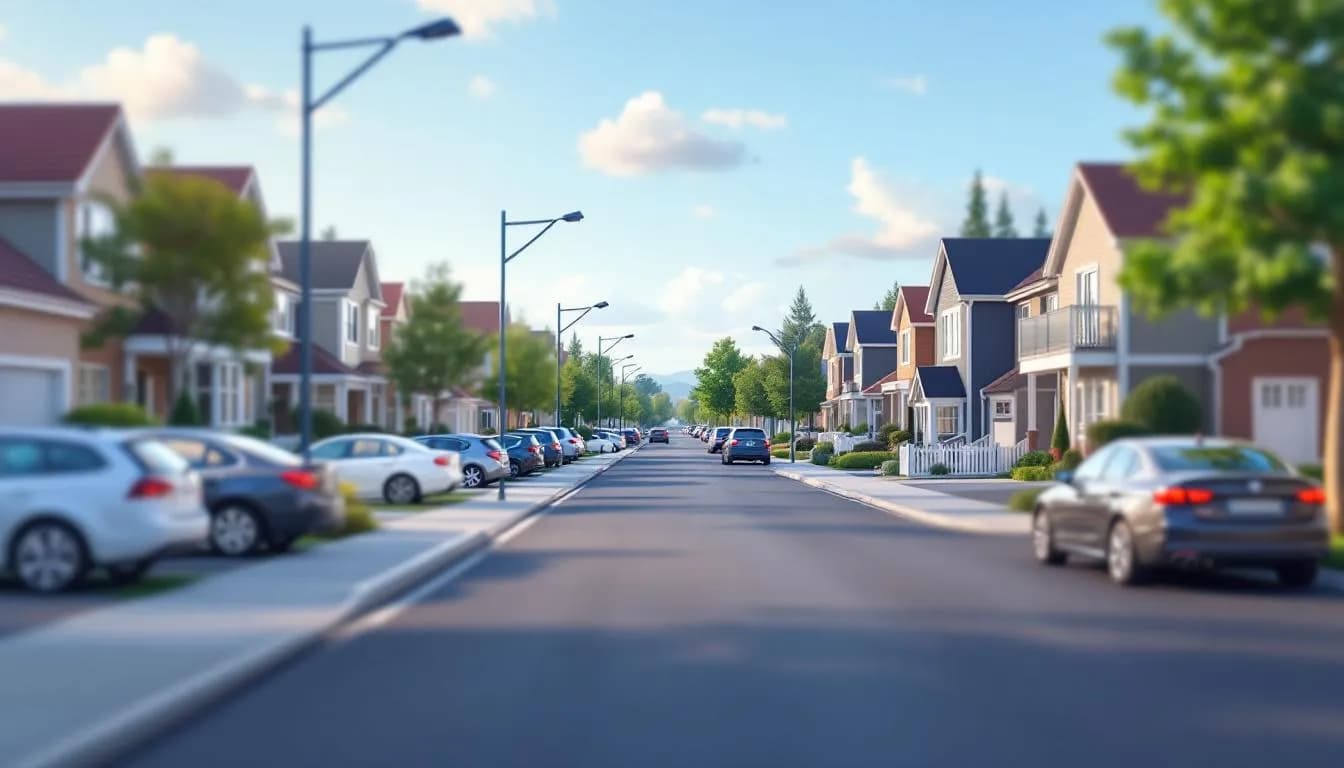
- Are streets well-lit at night?
- Do you see other residents out walking in the evening?
- Are shops or restaurants open late, creating natural foot traffic?
- How does it feel on a weekend versus a weekday?
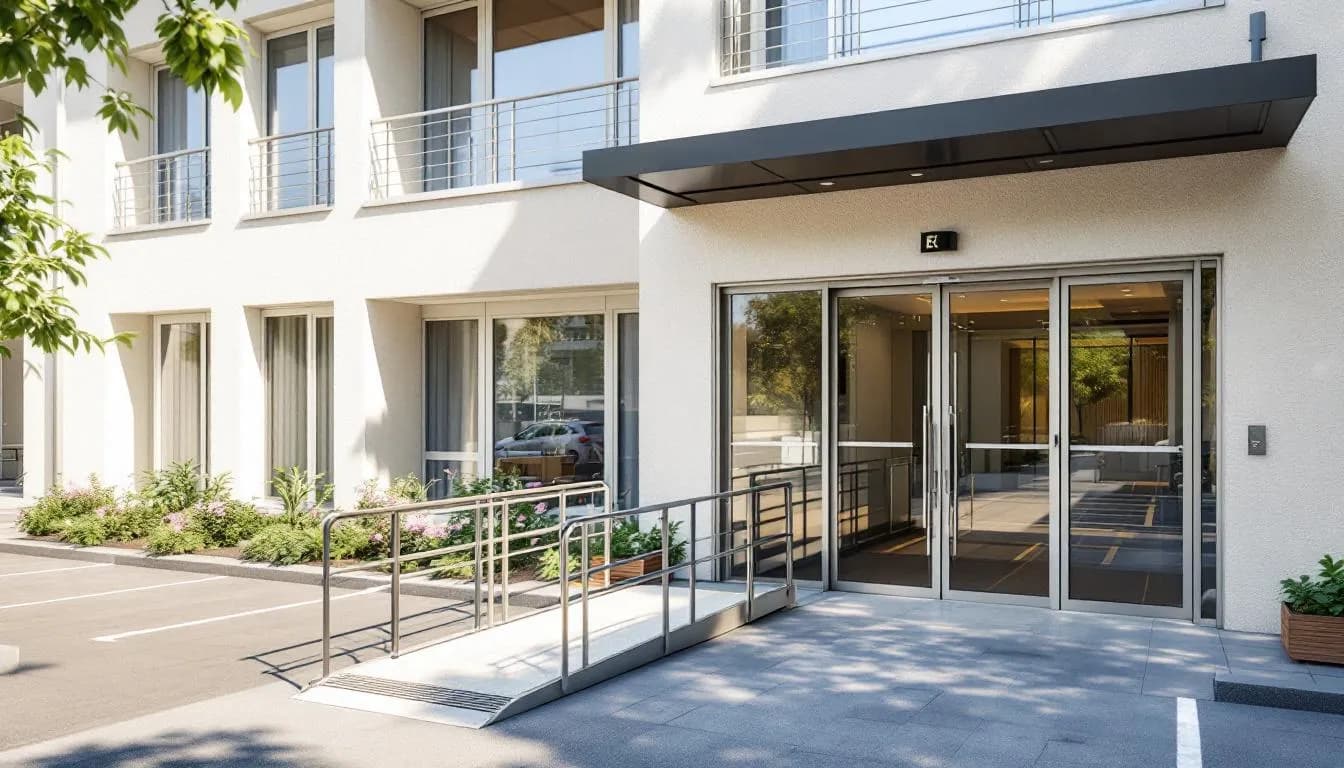
- Are there security guards at building entrances or gated entries?
Trust your gut. If a place feels off at 8 PM when you're just visiting, that feeling won't improve once you're living there.
Read the Physical Signs
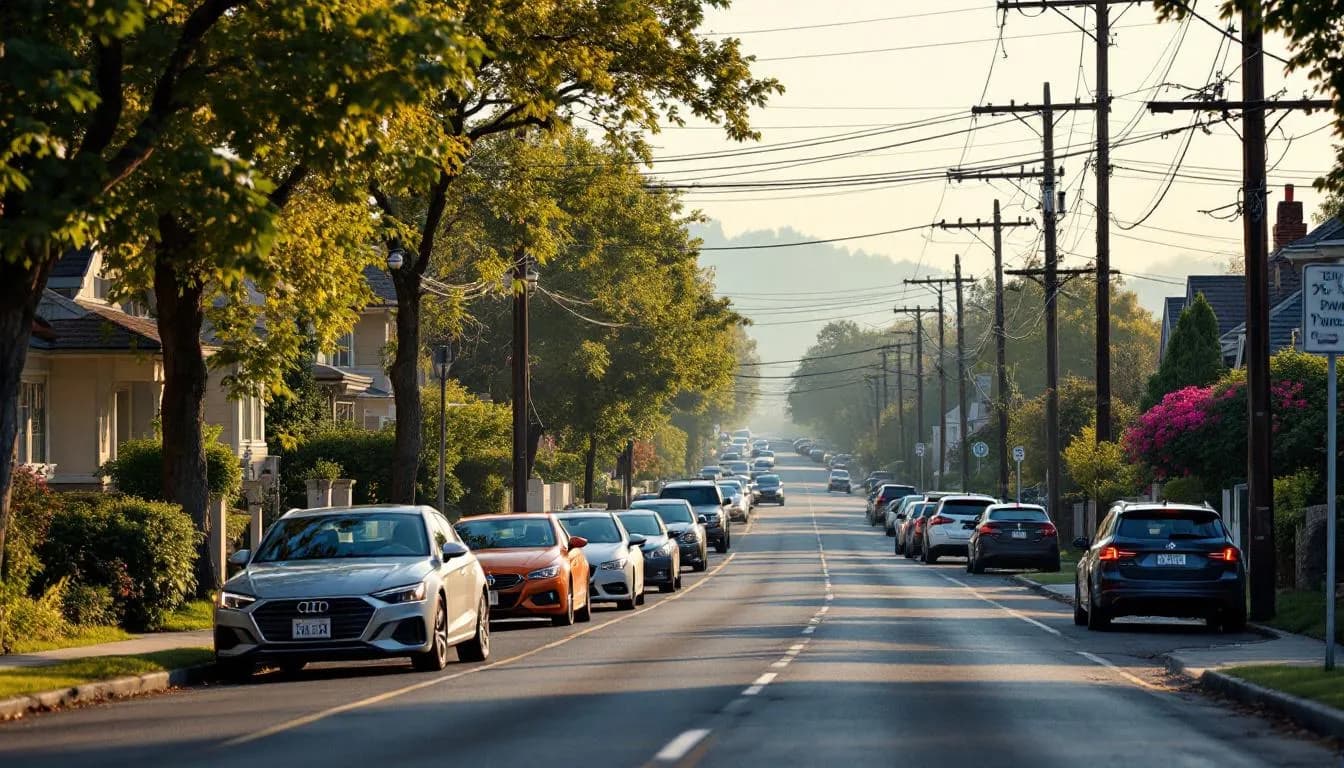
Well-maintained areas tend to be safer areas. Check the basics: sidewalks in good repair, buildings kept up, no accumulation of trash or graffiti. These aren't just aesthetic details — they signal that residents care and that local authorities are present.
Pay attention to who's around. Families, older residents, a mix of ages — that usually points to a stable neighborhood. Thriving local businesses are another good sign. Empty storefronts and shuttered shops are worth noticing.
In many countries, restaurants and small businesses staying open into the evening is a reliable signal — it means locals feel comfortable being out at night.
Understand What's Normal for That Country
Security norms vary depending on where you are. In parts of Mexico and Panama, gated communities with 24-hour guards are completely standard for middle-class housing. In Portugal or Slovenia, that same setup would be unusual. Neither is inherently better — they reflect different local contexts.
Ask locals and expats what's typical. Are window bars common, or do they signal a problem area? Is it normal to leave a bicycle unlocked outside a cafe? Understanding what's ordinary helps you interpret what you're actually seeing.
Talk to Future Neighbors Before You Sign
Before committing to a lease, introduce yourself to people who already live there. Ask directly: How long have you lived here? Do you feel safe? Had any problems? Most people will be honest, especially if you're clearly considering moving in.
- Ask about package theft — is it an issue in the building?
- Find out about any recent changes or new construction nearby
- Get their take on the surrounding blocks, not just the immediate address
- Ask the building manager about security measures and any recent incidents
If multiple neighbors mention the same concern — even a minor one — pay attention. Patterns matter more than isolated incidents.
Even if you plan to buy eventually, rent first. A few months of actually living somewhere tells you more than any amount of research. Safety isn't just about crime statistics — it's about whether you feel comfortable enough to enjoy your life. Give yourself time to figure that out before making anything permanent.
Ready for the next step?
Check out our country-specific guides to see exactly how to apply these steps in your dream destination.
Browse Country Guides