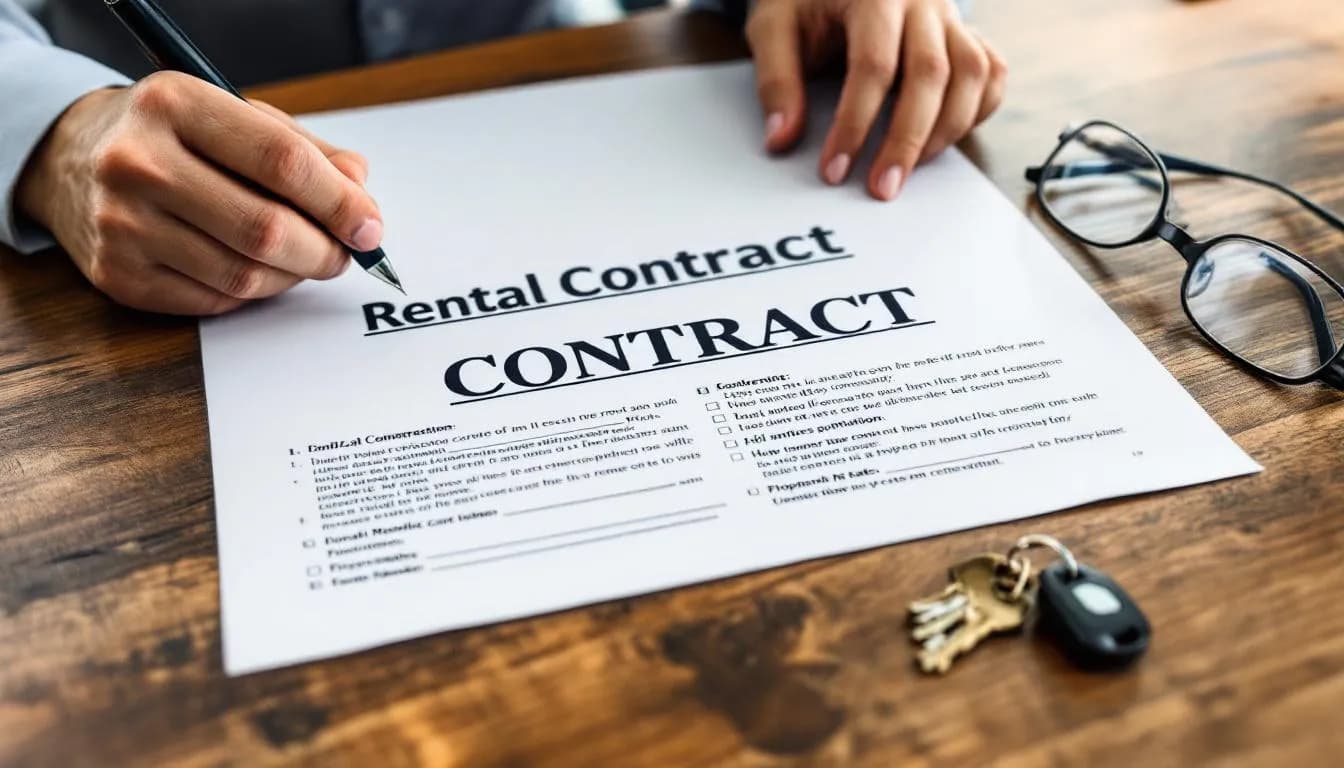
You've found a place you like, the landlord seems reasonable, and the rent fits your budget. Then the contract arrives — and it's nothing like what you're used to.
Rental agreements abroad vary by country: different lease lengths, deposit rules, tenant protections, and legal requirements. Knowing what's normal before you sign saves you from expensive surprises later.
Lease Lengths Vary More Than You'd Think
A one-year lease is standard in the U.S. Abroad, local custom sets the terms — and it varies widely.
- Mexico: One-year leases are typical, though landlords sometimes prefer six-month terms for foreign tenants
- Portugal and Spain: Three to five years is common — shorter terms exist but usually require negotiation
- Thailand: Six-month leases are widely available in expat-heavy areas
- Malaysia: Unfurnished apartments often require two-year minimums; furnished expat-targeted units usually offer one-year terms
- Philippines: Similar pattern — longer for unfurnished, shorter for furnished
Always ask about early termination clauses before signing. In some countries, breaking a lease without one means forfeiting your full deposit — and possibly more.
Deposits Are Higher Than You're Used To
The one-month security deposit that's standard in the U.S. is the exception abroad, not the rule.
- Mexico and Costa Rica: One month's deposit plus first month's rent upfront
- Portugal and Spain: Two months is common, sometimes three for furnished apartments
- Thailand: Two months for unfurnished, three for furnished
- Philippines and Malaysia: Two to three months plus advance rent
- France, Poland, Slovenia: One to two months, with legal caps on what landlords can charge
Getting your deposit back can be a fight — especially in Thailand and the Philippines, where landlords may dispute every small mark or scratch. Take timestamped photos of every room before you move in and keep them somewhere you can access them a year later.
What's Included Isn't Always Obvious
European contracts often include water and building maintenance but exclude electricity and internet. In Southeast Asia, a furnished apartment might include everything — or almost nothing — and you won't know until you ask directly.
Mexico's contracts typically exclude all utilities, and you'll set up your own accounts. Portugal often bundles condo fees into rent but leaves utilities to the tenant. In Panama, air conditioning costs fall on you — and in that climate, they add up fast.
Don't assume furnished means equipped. In some countries it means a bed and a table. In others it means dishes, linens, and a full kitchen. Get a written inventory before you sign.
Tenant Protections Depend on Where You Are
France, Portugal, and Spain offer strong tenant protections — landlords can't evict without cause, and rent increases are regulated. Poland and Slovenia have similar rules, though enforcement outside major cities can be inconsistent.
In Southeast Asia and Latin America, protections exist on paper but often come down to your landlord's goodwill. Thailand's laws generally favor property owners. Mexico technically favors tenants, but enforcement is slow. The Philippines requires contracts to be notarized to be legally valid — which actually works in your favor. Malaysia doesn't require it, so verbal side agreements can create real problems later.
Get the Contract Reviewed — Even If It Costs $200
Contracts are written in the local language. Even in countries with strong English like Malaysia or Portugal, the legally binding document will be in Malay or Portuguese. A translated copy is helpful, but it won't hold up in court if there's a dispute.
A local attorney or qualified translator can review a rental contract for $100–200 in most countries. They'll catch automatic renewal clauses, rent escalation provisions, and maintenance responsibilities that are easy to miss. In Mexico, Thailand, or Ecuador — skipping this step means signing a legal document you genuinely can't read.
If a landlord pushes you to sign immediately without giving you time to get the contract reviewed, that's a red flag. A legitimate landlord won't rush you.
One more thing: some countries require rental contracts to be registered with local authorities. Portugal and Spain both mandate it. Landlords who skip this step are usually avoiding taxes — which can cause you problems if immigration asks for proof of residence. Always get a fully signed copy of your contract on move-in day and keep it somewhere safe.
Ready for the next step?
Check out our country-specific guides to see exactly how to apply these steps in your dream destination.
Browse Country Guides